Porto de Galinhas - Ipojuca, PE
Your Seaside Retreat, with Room to Live Exceptionally
House No. 64 at Muro Alto Condominium — 5 suites, swimming pool with whirlpool, gazebo, barbecue area, spacious terrace with two distinct living areas, 2 balconies, 300 m². Oceanfront condominium featuring 2 covered tennis courts, a beach tennis court, event room, swimming pool, convenience store, 2 playgrounds, jogging track, and bike lane.
With 450 m² of total area, offered at R$ 3,800,000.00
>> History
ORIGINS OF PORTO DE GALINHAS
The colonization of Ipojuca began in 1560, following the expulsion of the Caetés people and other tribes from the southern coast of Pernambuco.
From that time onward, settlers moved to Ipojuca because of the region’s fertile massapê soil (a clay soil, generally black and of excellent quality for growing sugarcane). This led to a rapid increase in the construction of sugar mills and small production facilities in the area.
The Dutch also took advantage of the situation, invading Pernambuco, where a number of sugar mills were already established. However, under the leadership of Captain Amador de Araújo, the Dutch were defeated on July 23, 1645.
With two natural harbors, Suape and Porto de Galinhas, as well as the Northeast’s largest and best-equipped massapê plantations, Ipojuca quickly earned a reputation as one of the most important regions to emerge within the colonial system. As a result, thanks to its location and natural advantages, Porto de Galinhas became one of the most important ports.
Given these conditions, Pernambuco became a major sugar producer and, for many years, accounted for more than half of Brazil’s exports. The region’s resulting renown led it to be known as “Porto Rico” before it acquired the name we know today.
To carry out this work, it was common for laborers to be brought from Africa. Unfortunately, even after the abolition of slavery, the practice continued through an illegal slave-trading network. Enslaved people were concealed aboard ships carrying Angola chickens (one of the aristocracy’s favorite foods in the region).
At the time, the saying “There are new chickens at the port” meant that a new shipment of enslaved people had arrived. Because of this, Porto Rico came to be called “Porto de Galinhas” (sometimes also known as “Porto de Angola”).
Colonization in Ipojuca began in 1560.
• The Dutch invaded Pernambuco on July 17, 1645.
• The Dutch were defeated on July 23, 1645.
• Ipojuca was established on November 12, 1895.
• One of the main historical landmarks, the Convent of Santo Antônio, was founded in 1606 and designated a national heritage site in 1937.
• In 2005, Petrobras announced plans to build a fuel refinery in Ipojuca, thanks to the excellent facilities offered by the Port of Suape. Construction then began on what would become one of the region’s most important industries. Today, due to economic and political challenges, the port is not as powerful as it once was.
>> 4 TIPS TO HELP YOU CHOOSE THE RIGHT PROPERTY TO BUY: >
Don’t focus only on your current marital status. Real estate is a long-term investment. Choose with your plans for the future in mind, not just your needs today. Homes and apartments come in a range of sizes, which also determines how many bedrooms they offer. If you plan to live alone, consider whether the property you are about to purchase will meet your needs at least in the medium term. A one-bedroom apartment, for example, may accommodate a future spouse and even an infant. But if starting a family is closer to your plans, it may be best to consider a two- or even three-bedroom property. That way, you’ll have a home suited to your life plans.
> Location matters. Make sure the properties you’re considering are well located. This doesn’t necessarily mean being in a central area, but it does mean having good infrastructure nearby to meet everyday needs and handle unexpected situations. Get to know the neighborhood: check for pharmacies, bakeries, supermarkets, health clinics, schools, and convenient access to public transportation. These amenities will be essential and can save you considerable effort in the long run.
> Make sure the amenities meet your needs. The number of bathrooms, parking spaces, an elevator, accessibility, built-in closets… Each feature serves a purpose depending on your needs, so it should be taken into account. If you own a car or motorcycle, not having a parking space can result in a high monthly expense—one that may ultimately cost far more than paying a little extra for a property with parking. The same is true if an apartment lacks a laundry area that can accommodate a washing machine. With the demands of daily life, hand-washing clothes isn’t always practical, and having no space for a washer can lead to recurring laundry expenses that make it difficult to cover all your other costs. Consider your needs carefully, run the numbers, and make a well-informed, practical choice.
> Make sure your dream fits your financial reality. You may dream of a larger apartment with a laundry area, spacious bedrooms, and every other feature you desire. Before you start looking, however, be realistic and assess your financial means. Even with a substantial down payment using FGTS funds, mortgage payments can be high due to interest rates, and the future is uncertain. Don’t overextend yourself. Review your available budget, run financing estimates if needed, and only then begin your property search. This will help you align your dream with your financial reality and avoid taking on a commitment you may not be able to meet. Follow these tips, and you’re sure to make a better-informed purchase. Be sure to consider each of these points!
Couldn’t find what you were looking for, or would you like more information about other properties in Recife and the surrounding area? Contact our team at (81) 99834-1699. We look forward to hearing from you!
Features
In the Property
Pantry
Barbecue Grill
Balcony
Kitchen Cabinets
Maid's Quarters
Children's pool
Kitchen
Dining room
Bathroom Cabinet
Marble
Living room
Closet in the living room
Closet in the service area
Closet in the maid's room
Balcony with glass enclosure
Common Area
Heated Pool
24-hour Security
Party Room
Game room
Tennis court
Multipurpose court
Massage room
Safety and Infrastructure
Guardhouse
Environment
Sea view
Hospitality & Services
Restaurant
Other similar properties
← Swipe to see more →
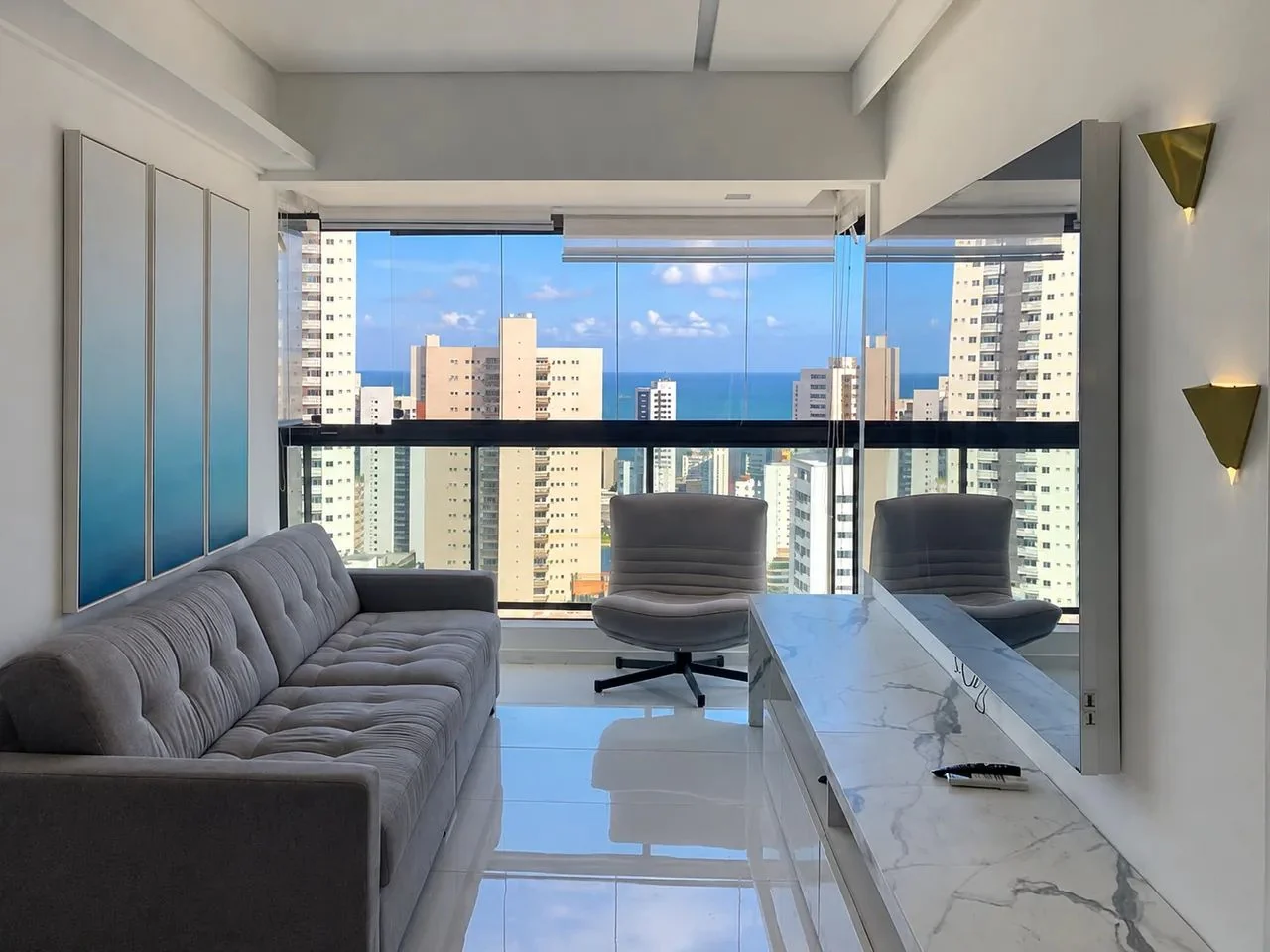
Rent
Rua Amaro Albino Pímentel
Rua Amaro Albino Pímentel, 101 - Boa Viagem - Recife, PE
R$ 8.000 /month
2 Bedrooms • 3 Bathrooms • 2 Parking • 73 sqft
Apartment
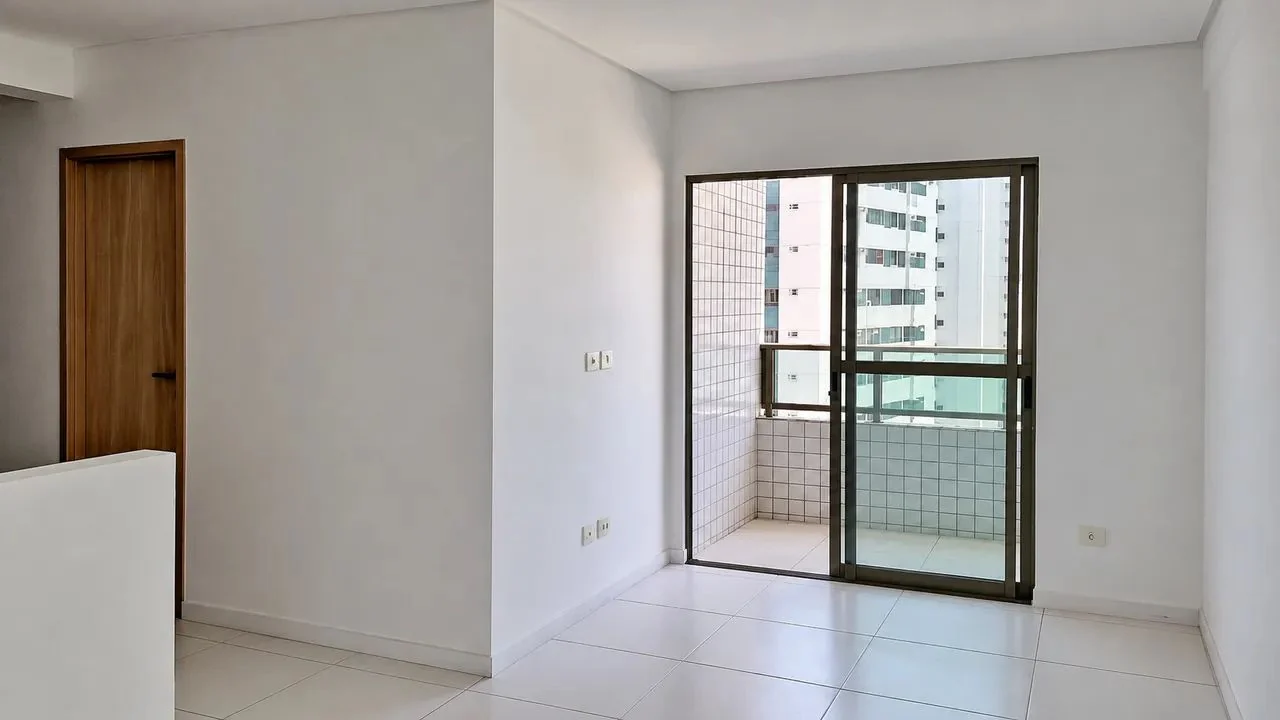
Sale
Rua Dona Benvinda de Farias
Rua Dona Benvinda de Farias, 624 - Boa Viagem - Recife, PE
R$ 700.000
3 Bedrooms • 2 Bathrooms • 1 Parking • 64 sqft
Apartment
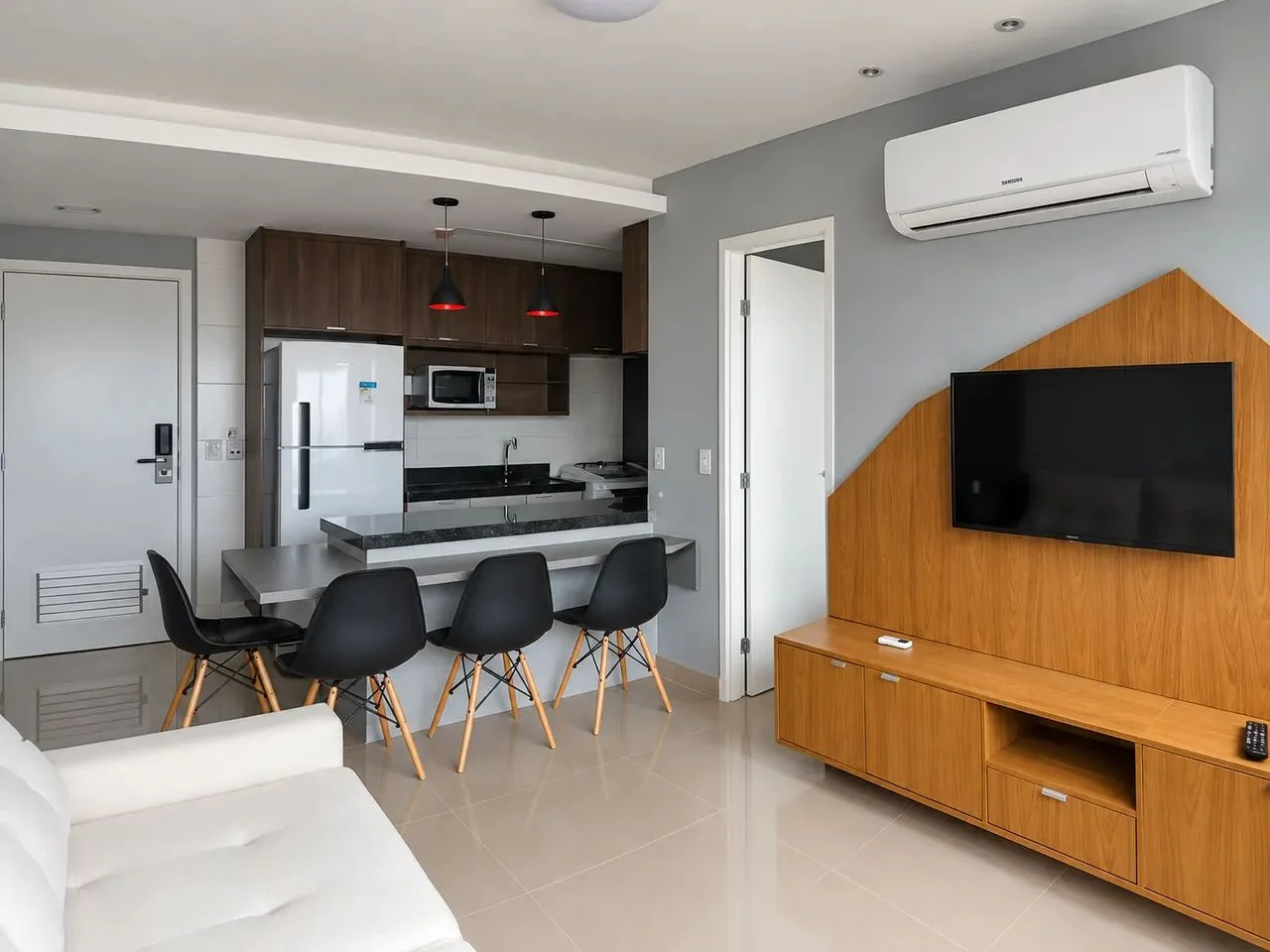
Rent
Avenida Boa Viagem
Avenida Boa Viagem, 130 - Boa Viagem - Recife, PE
R$ 3.700 /month
1 Bedrooms • 1 Bathrooms • 1 Parking • 36 sqft
Flat
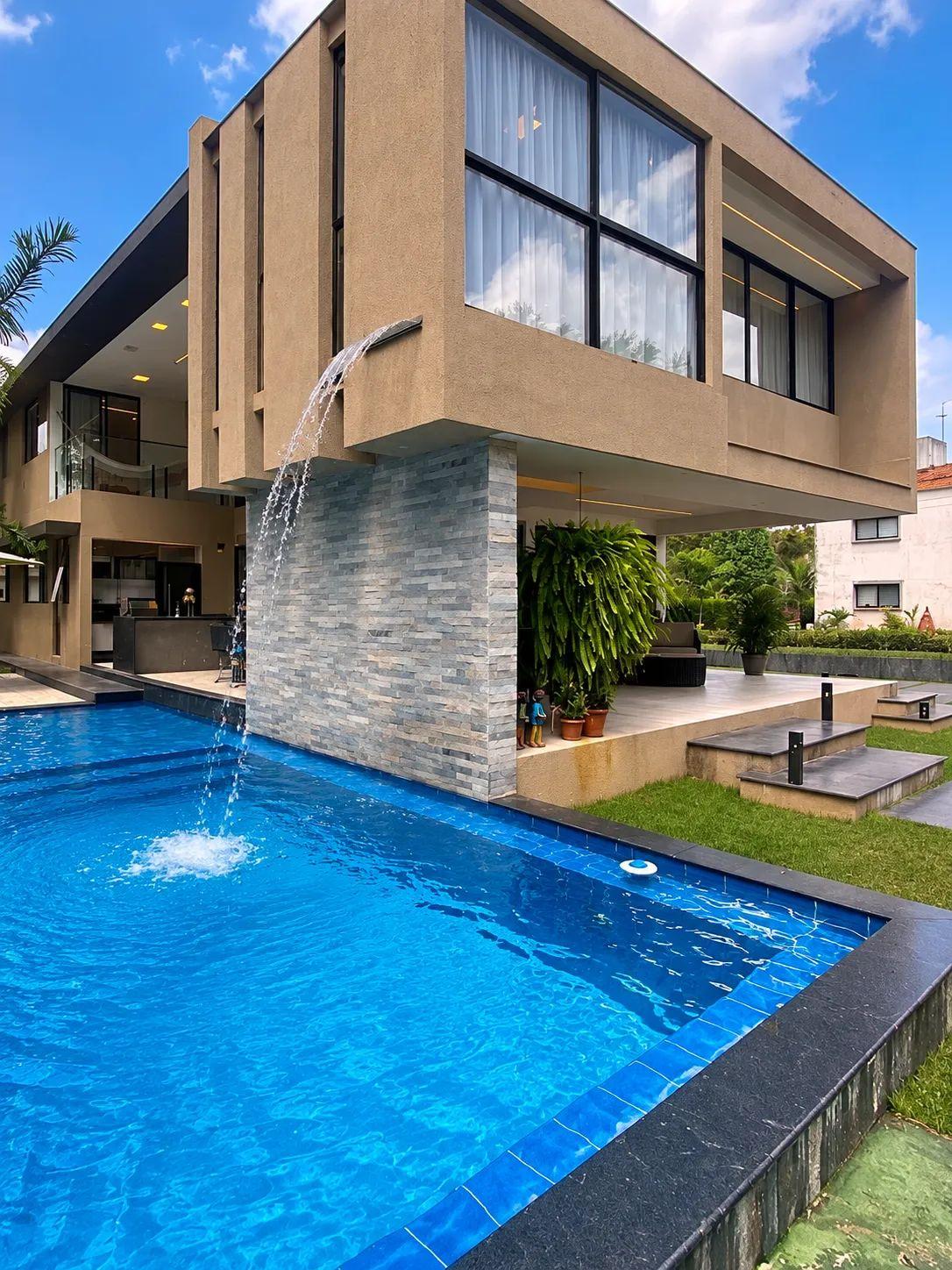
Sale
Paudalho, PE
R$ 1.600.000
5 Bedrooms • 6 Bathrooms • 2 Parking • 270 sqft
Gated Community House
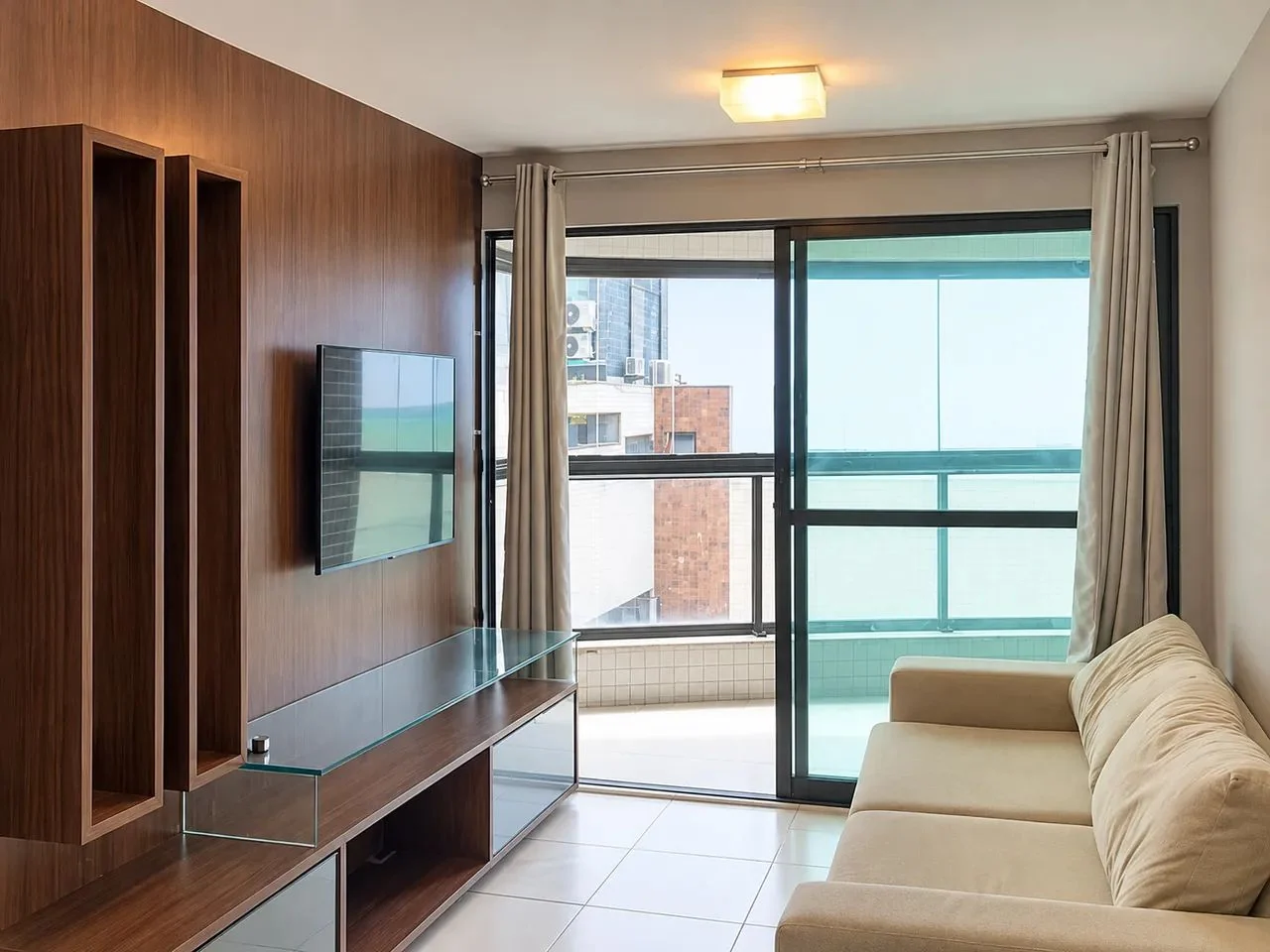
Rent
Avenida Boa Viagem
Avenida Boa Viagem, 2990 - Boa Viagem - Recife, PE
R$ 6.500 /month
1 Bedrooms • 2 Bathrooms • 1 Parking • 57 sqft
Apartment
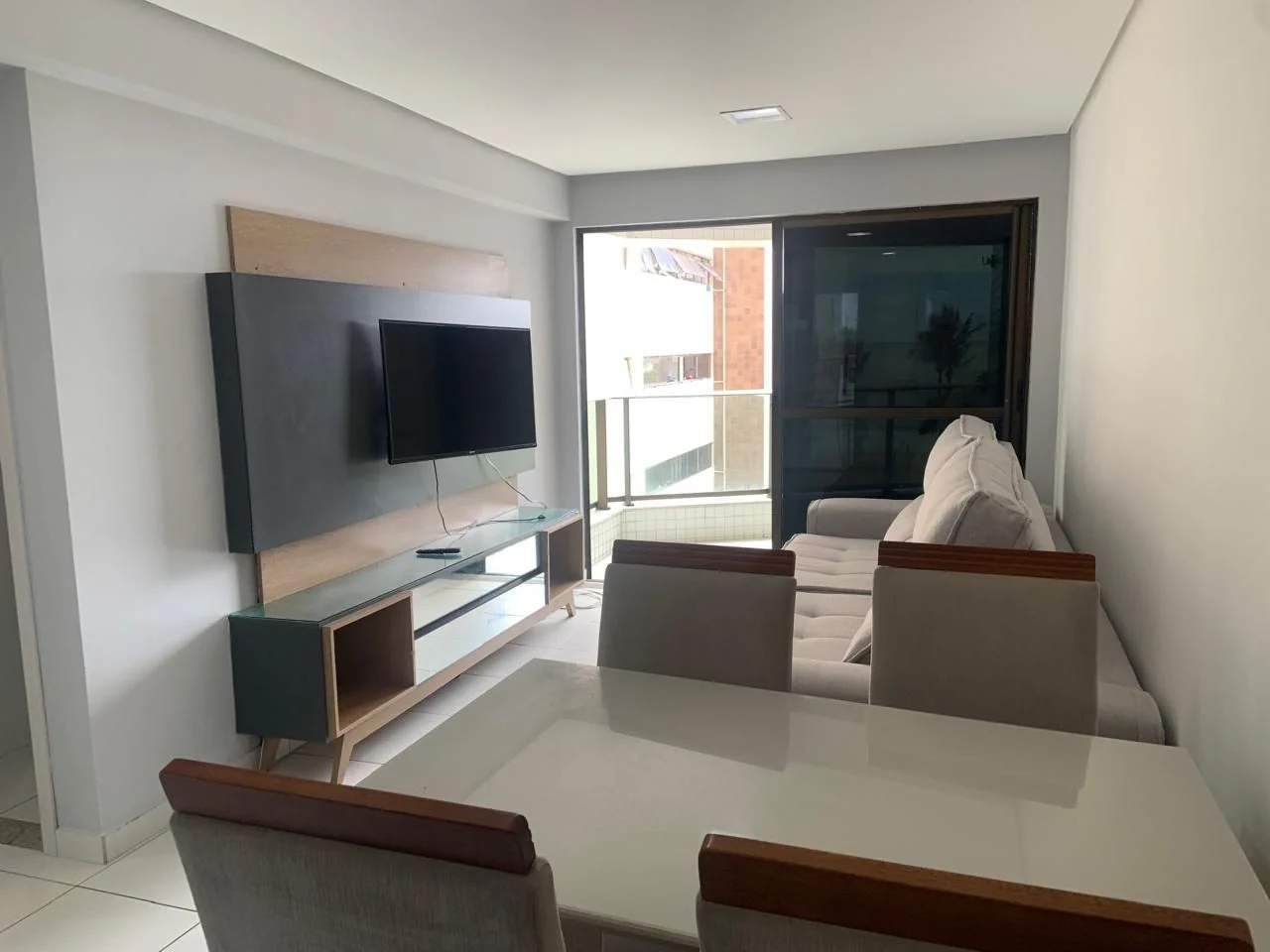
Rent
Avenida Boa Viagem
Avenida Boa Viagem, 2990 - Boa Viagem - Recife, PE
R$ 5.500 /month
1 Bedrooms • 2 Bathrooms • 1 Parking • 57 sqft
Apartment
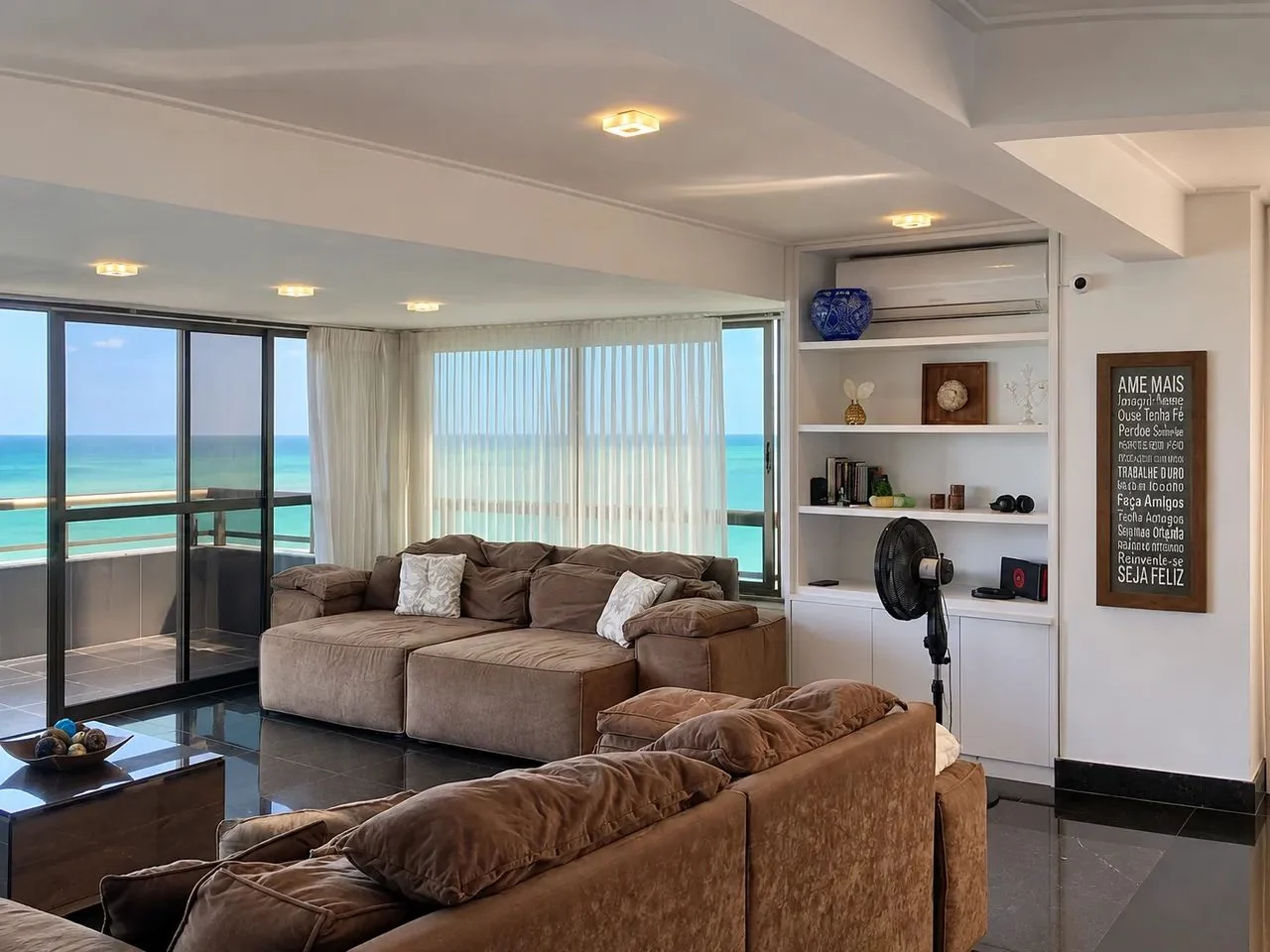
Rent
Avenida Boa Viagem
Avenida Boa Viagem, 462 - Boa Viagem - Recife, PE
R$ 35.000 /month
3 Bedrooms • 4 Bathrooms • 3 Parking • 396 sqft
Penthouse
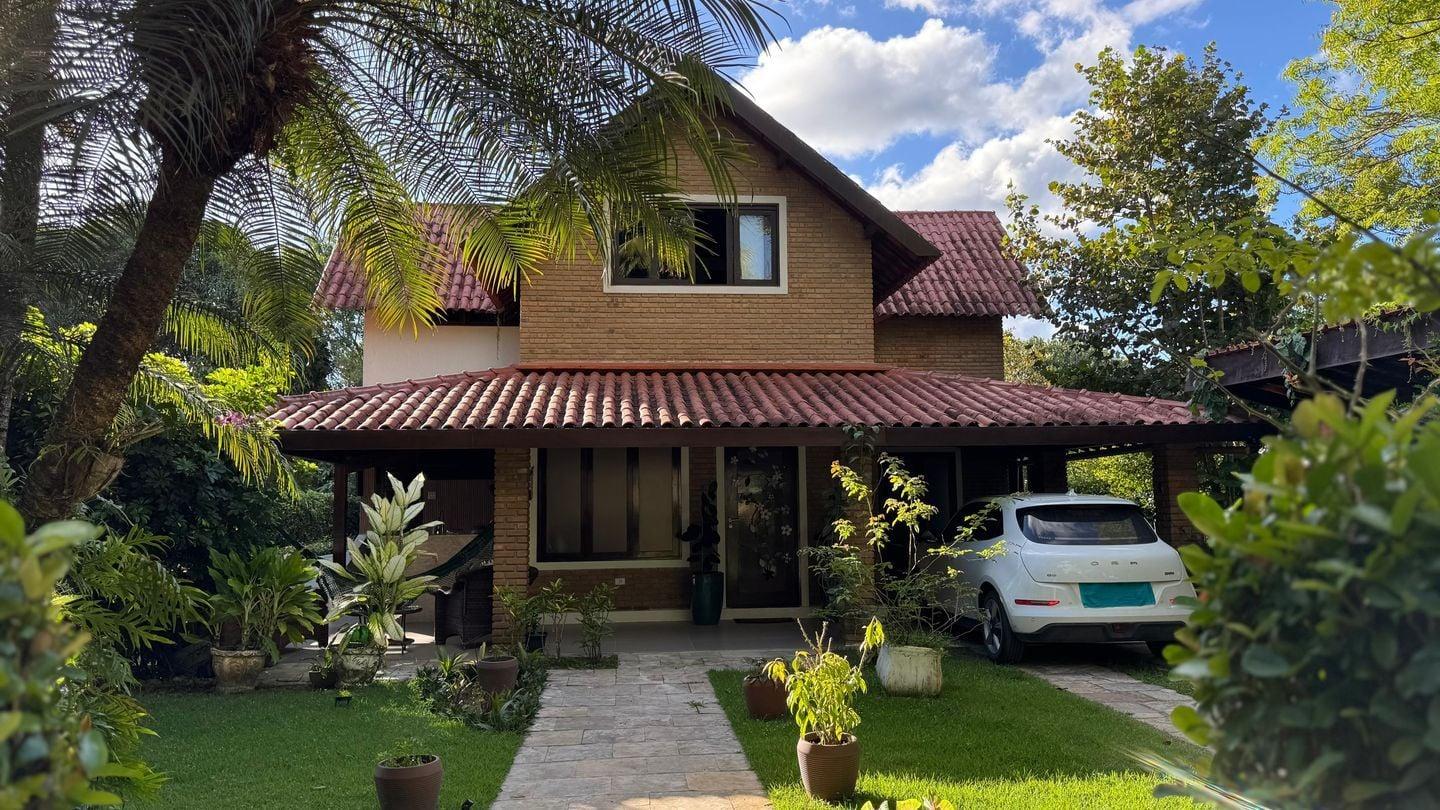
Sale
Estrada de Aldeia
Estrada de Aldeia, 9810-13292 - Aldeia dos Camarás - Camaragibe, PE
R$ 1.500.000
5 Bedrooms • 4 Bathrooms • 238 sqft
Gated Community House