Muribeca - Jaboatão dos Guararapes, PE
Ocean View, Privacy and Elegance in a Unique Address
House for sale with a total area of 720m²
Built area: 450 m²;
Rooftop with ocean view;
04 suites;
Purchase and sale price: R$ 5,500,000.00
>> History
ORIGIN OF PORTO DE GALINHAS
The colonization of Ipojuca began in 1560, after the expulsion of the Caetés Indians and other tribes from the southern coast of Pernambuco.
From that moment on, settlers migrated to Ipojuca because of the region’s fertile lands, rich in massapê (clayey soil, usually black, and of excellent quality for sugarcane cultivation). This led to a rapid increase in the construction of mills, or small production units, in the region.
The Dutch also took advantage of the situation by invading Pernambuco, an area that already had a number of established mills. However, under the leadership of Captain of the Sea Amador de Araújo, the Dutch were defeated on July 23, 1645.
With two natural ports, Suape and Porto de Galinhas, as well as the largest and best-equipped massapê plantations in the Northeast, Ipojuca quickly gained fame as one of the most important regions to emerge within the colonial system. As a result, thanks to its boundaries and natural advantages, Porto de Galinhas became one of the most important ports.
Given all these conditions, Pernambuco became a major sugar producer and, for many years, was responsible for more than half of Brazil’s exports. This reputation led the region to be known as “Porto Rico,” before receiving the name we know today.
To carry out all this work, labor was commonly brought from Africa, and unfortunately, even after the abolition of slavery, this system did not stop, creating an illegal slave-trafficking network. In this way, enslaved people were brought hidden inside the boats that carried Guinea fowl (one of the favorite dishes of the region’s aristocracy).
At that time, the saying “There are new chickens in the port” meant that a new shipment of enslaved people had arrived. Because of this, Porto Rico came to be called “Porto de Galinhas” (sometimes also known as “Porto de Angola”).
The colonization of Ipojuca began in 1560.
• The Dutch invaded Pernambuco on July 17, 1645.
• The Dutch were defeated on July 23, 1645.
• Ipojuca was established on November 12, 1895.
• One of the main historical sites, the Convent of Santo Antônio, was founded in 1606 and designated a national heritage site in 1937.
• In 2005, Petrobras announced the construction of a fuel refinery in Ipojuca, due to the excellent facilities offered by the port of Suape. This marked the beginning of what became one of the most important industries in the region. At present, due to economic and political issues, the port is not as powerful as it once was.
>> 4 TIPS TO HELP YOU CHOOSE THE IDEAL PROPERTY TO BUY: >
Do not think only about your current marital status. Real estate is a long-lasting asset. Therefore, your choice should consider not only today, but also your life plans. It is possible to find houses and apartments of different sizes, and this will also influence the number of bedrooms the property has. If you plan to live alone, assess whether the property you are about to purchase will meet your needs for at least the medium term. A one-bedroom apartment for a single person, for example, can accommodate a future spouse and even a baby. But if your plans to start a family are closer to your reality, it may be ideal to consider properties with 2 or even 3 bedrooms. In this way, you secure a home that will accommodate your life projects.
> Location is a relevant factor. Check whether the properties you are considering are well located. This does not necessarily mean being in a central area, but rather having good infrastructure nearby to meet everyday and unexpected needs. Get to know the neighborhood: check whether there are pharmacies, bakeries, supermarkets, health clinics, schools, as well as good access to public transportation. This will be necessary and, in the end, may save you a great deal of effort.
> Evaluate whether the “utilities” meet your needs Number of bathrooms, parking spaces, elevator, accessibility, built-in closets… Each item has its use depending on your needs and, therefore, must be taken into consideration. For those who own cars or motorcycles, not having a parking space can generate a high monthly cost that, in the end, will be much more expensive than investing a little more in these features, for example. The same applies if an apartment does not have a service area that can accommodate a washing machine. With the rush of everyday life, it is not always possible to wash clothes by hand, and the lack of space for a washer can lead to recurring laundry expenses that would make it impossible to cover all costs. Therefore, pay attention to your needs, calculate everything carefully, and make a choice that is better aligned and financially viable.
> Check whether your dream matches your financial reality. You may dream of having a larger apartment, with a service area, spacious bedrooms, and everything else. However, before you start looking for one, be realistic: assess your financial possibilities. Even with a good down payment with the help of FGTS, financing can still be expensive due to interest rates, and no one knows what tomorrow will bring. Therefore, do not aim higher than you can manage. Evaluate the available budget, run simulations in case of financing, and only then go after the property. In this way, you will be able to align your dream with your reality, avoiding committing to something you cannot fulfill. By following these tips, you will certainly make a more advantageous deal. So be sure to evaluate these items!
Features
In the Property
Pantry
Barbecue Grill
Air Conditioning
Closet
Balcony
Kitchen Cabinets
Maid's Quarters
Kitchen
Dining room
Bathroom Cabinet
Breakfast Area
Living room
Closet in the suite
Bedroom with closets
Closet in the living room
Closet in the service area
Closet in the maid's room
Common Area
Gourmet Space
Pool
Safety and Infrastructure
Alarm System
Electric heating
Environment
Sea view
Other similar properties
← Swipe to see more →
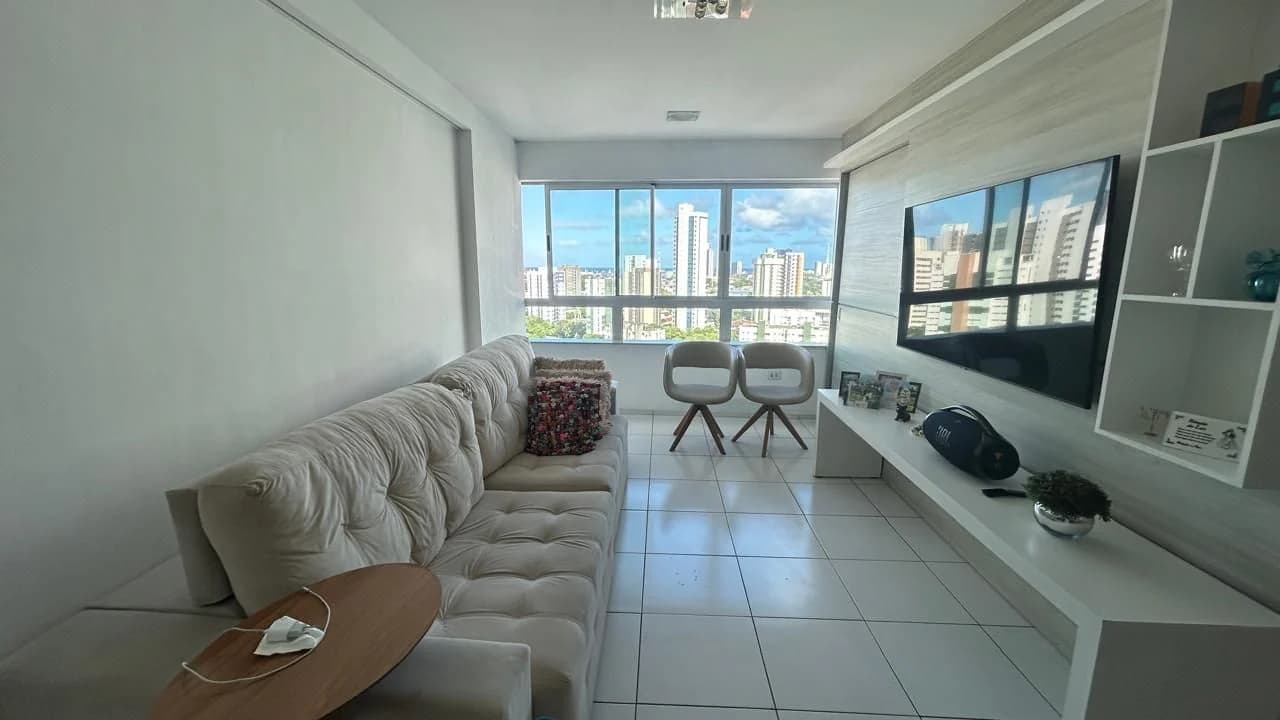
Sale
Rua Quarenta e Oito
Rua Quarenta e Oito, 446 - Espinheiro - Recife, PE
R$ 1.100.000
4 Bedrooms • 3 Bathrooms • 2 Parking • 113 sqft
Apartment
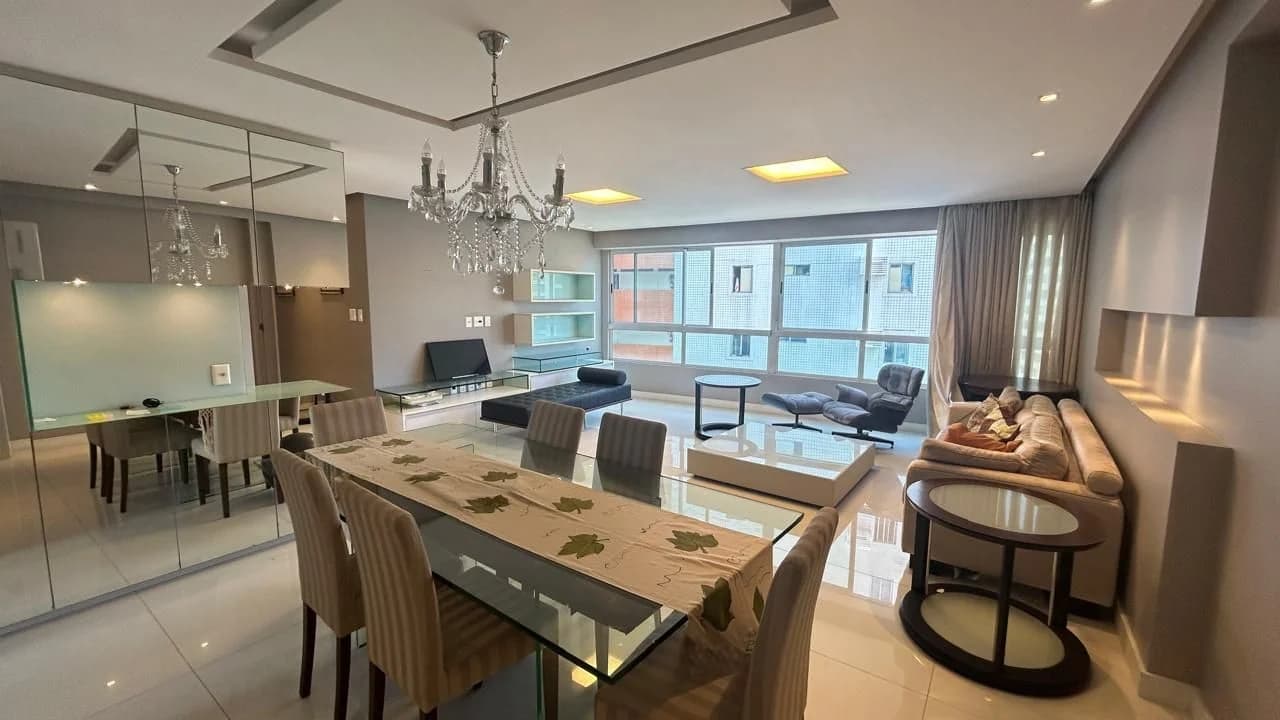
Sale
Rua Quarenta e Oito
Rua Quarenta e Oito, 446 - Espinheiro - Recife, PE
R$ 850.000
3 Bedrooms • 3 Bathrooms • 2 Parking • 113 sqft
Apartment
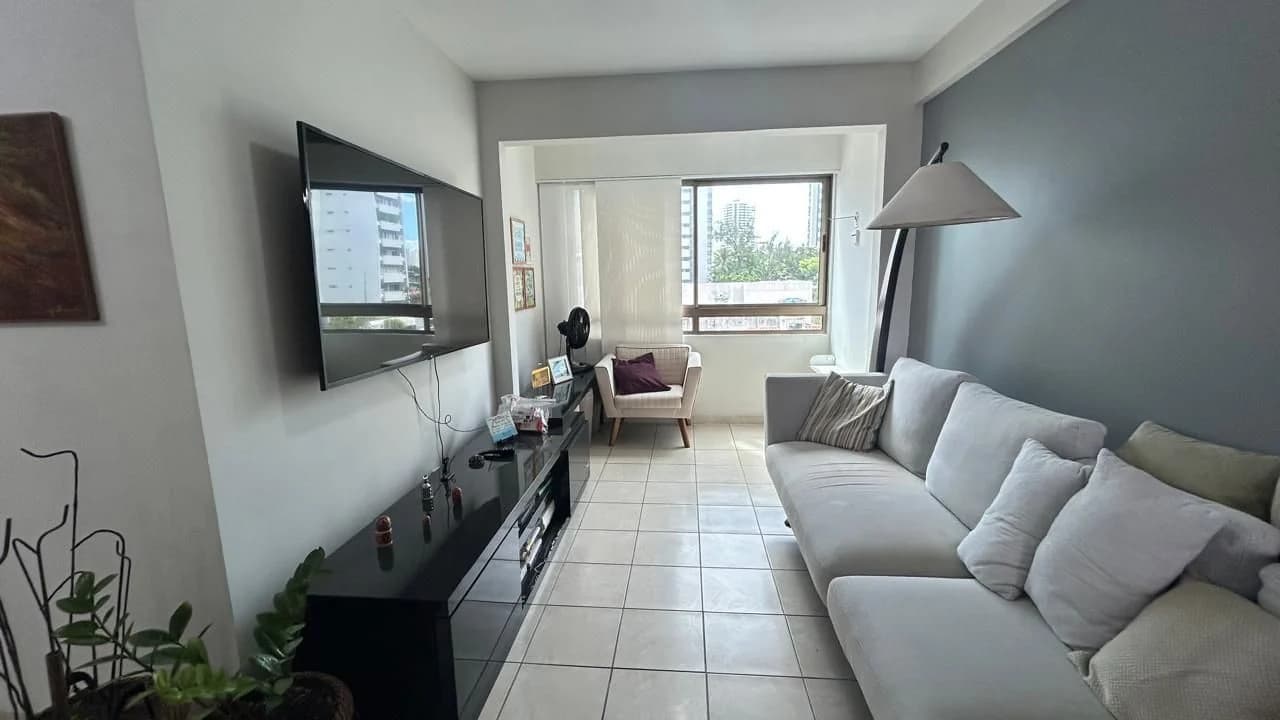
Sale
Rua Conselheiro Nabuco
Rua Conselheiro Nabuco - Casa Amarela - Recife, PE
R$ 530.000
3 Bedrooms • 3 Bathrooms • 1 Parking • 79 sqft
Apartment
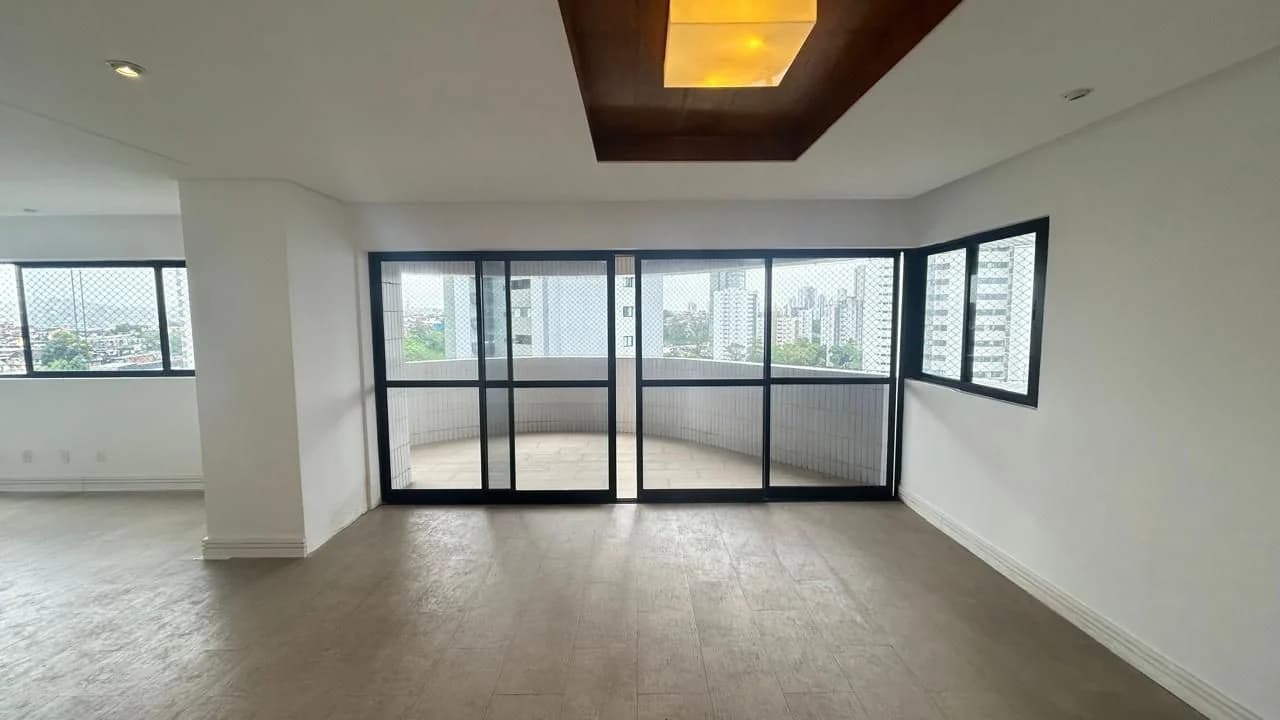
Sale
Avenida Dezessete de Agosto
Avenida Dezessete de Agosto, 2475 - Monteiro - Recife, PE
R$ 1.850.000
4 Bedrooms • 4 Bathrooms • 4 Parking • 215 sqft
Apartment
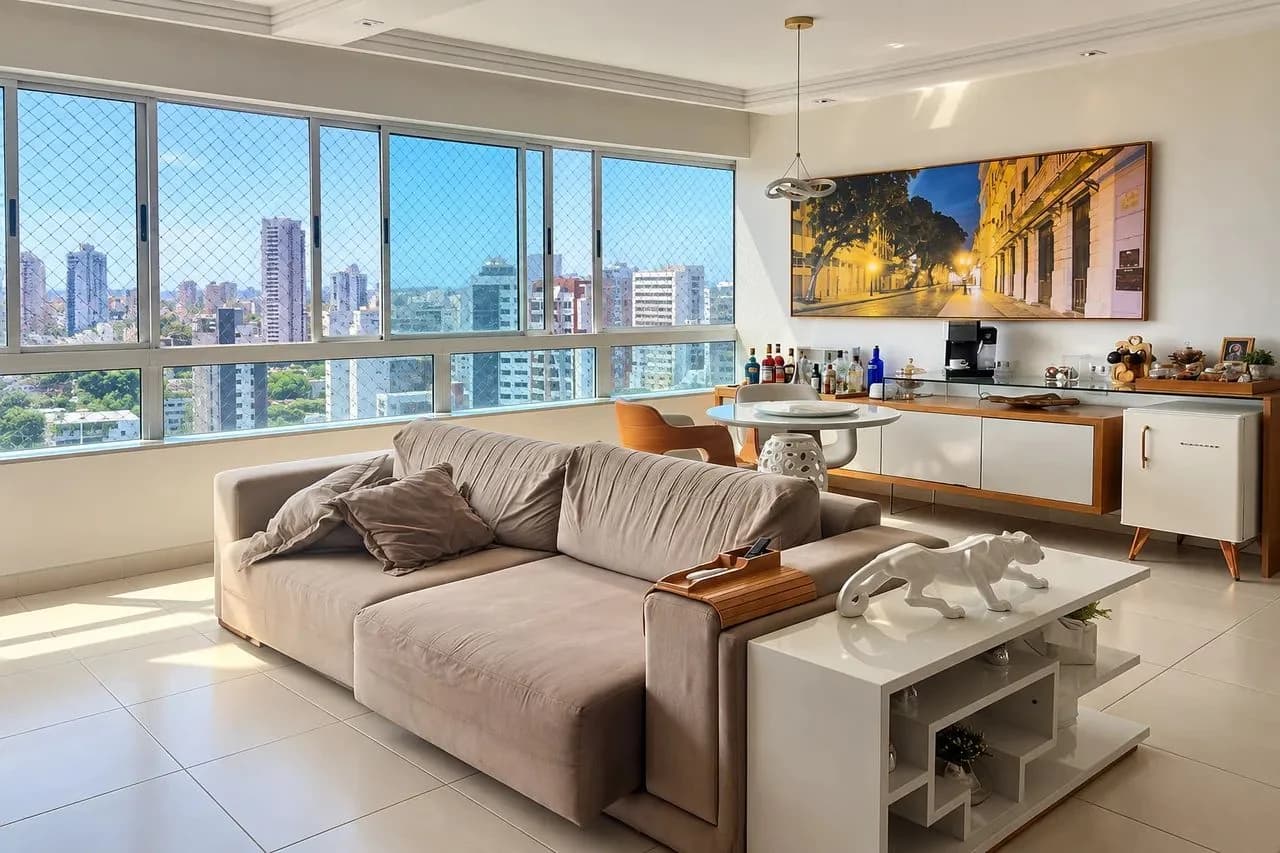
Sale
Rua Quarenta e Oito
Rua Quarenta e Oito, 462 - Espinheiro - Recife, PE
R$ 1.250.000
3 Bedrooms • 2 Bathrooms • 2 Parking • 113 sqft
Apartment
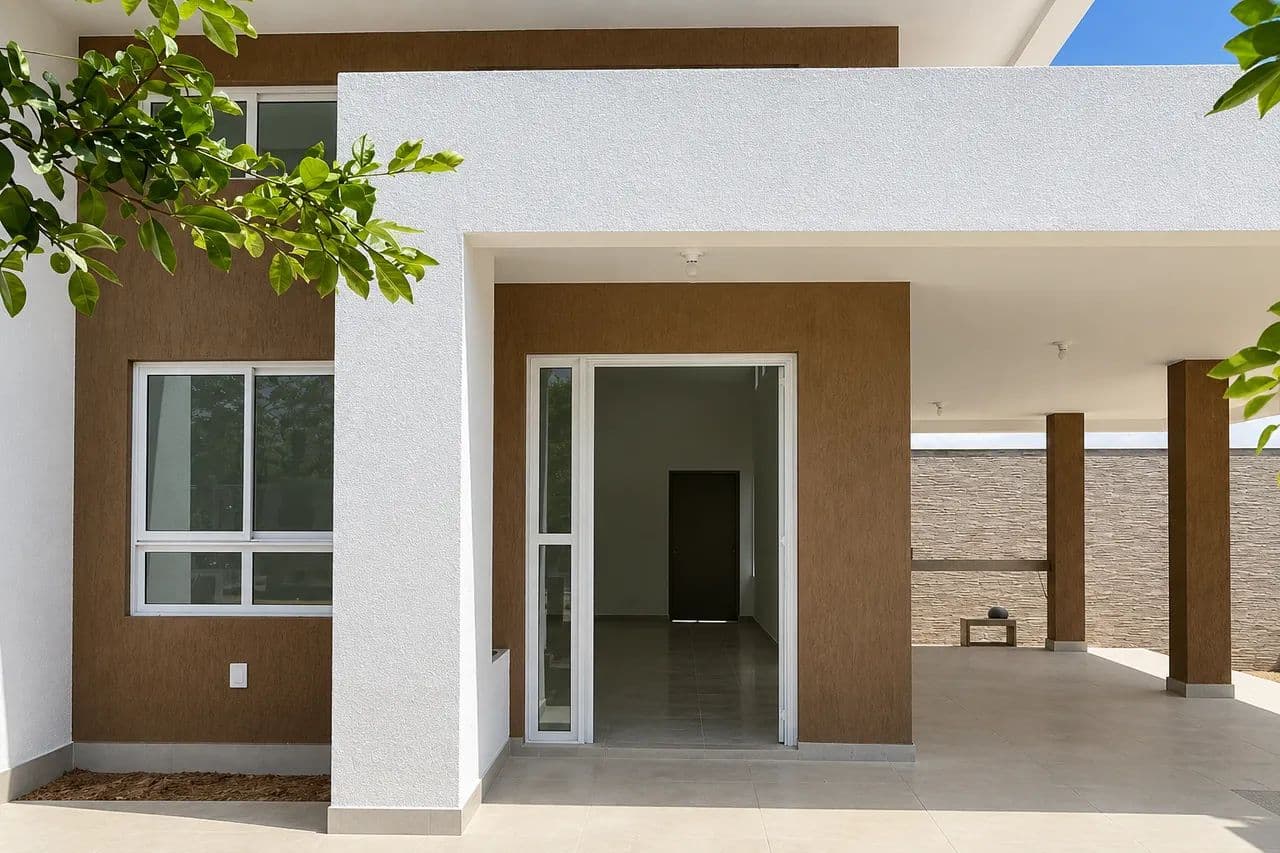
Sale
Paudalho, PE
R$ 900.000
4 Bedrooms • 5 Bathrooms • 2 Parking • 220 sqft
Gated Community House
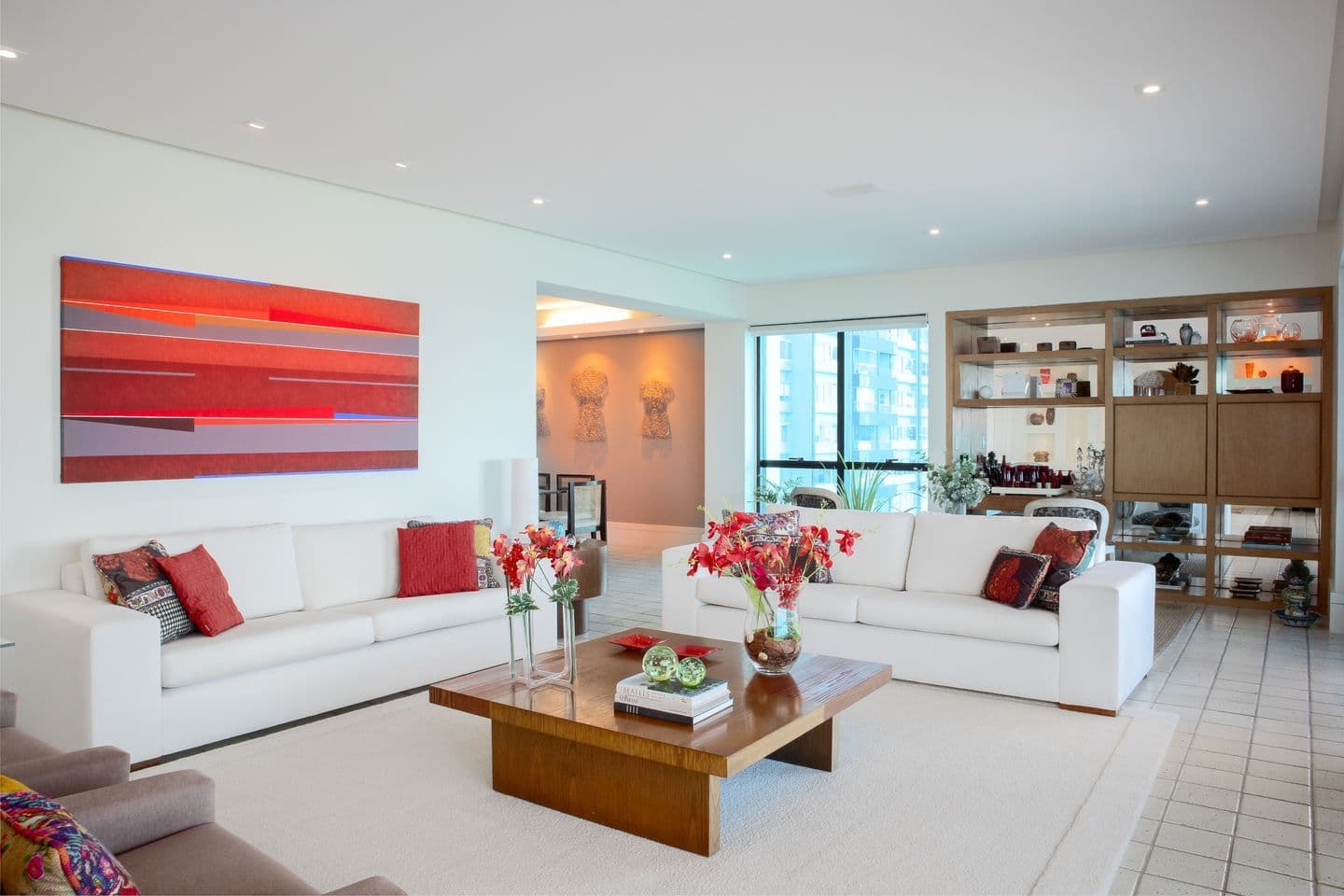
Sale
Avenida Boa Viagem
Avenida Boa Viagem, 6576 - Boa Viagem - Recife, PE
R$ 2.980.000
5 Bedrooms • 3 Bathrooms • 3 Parking • 270 sqft
Apartment
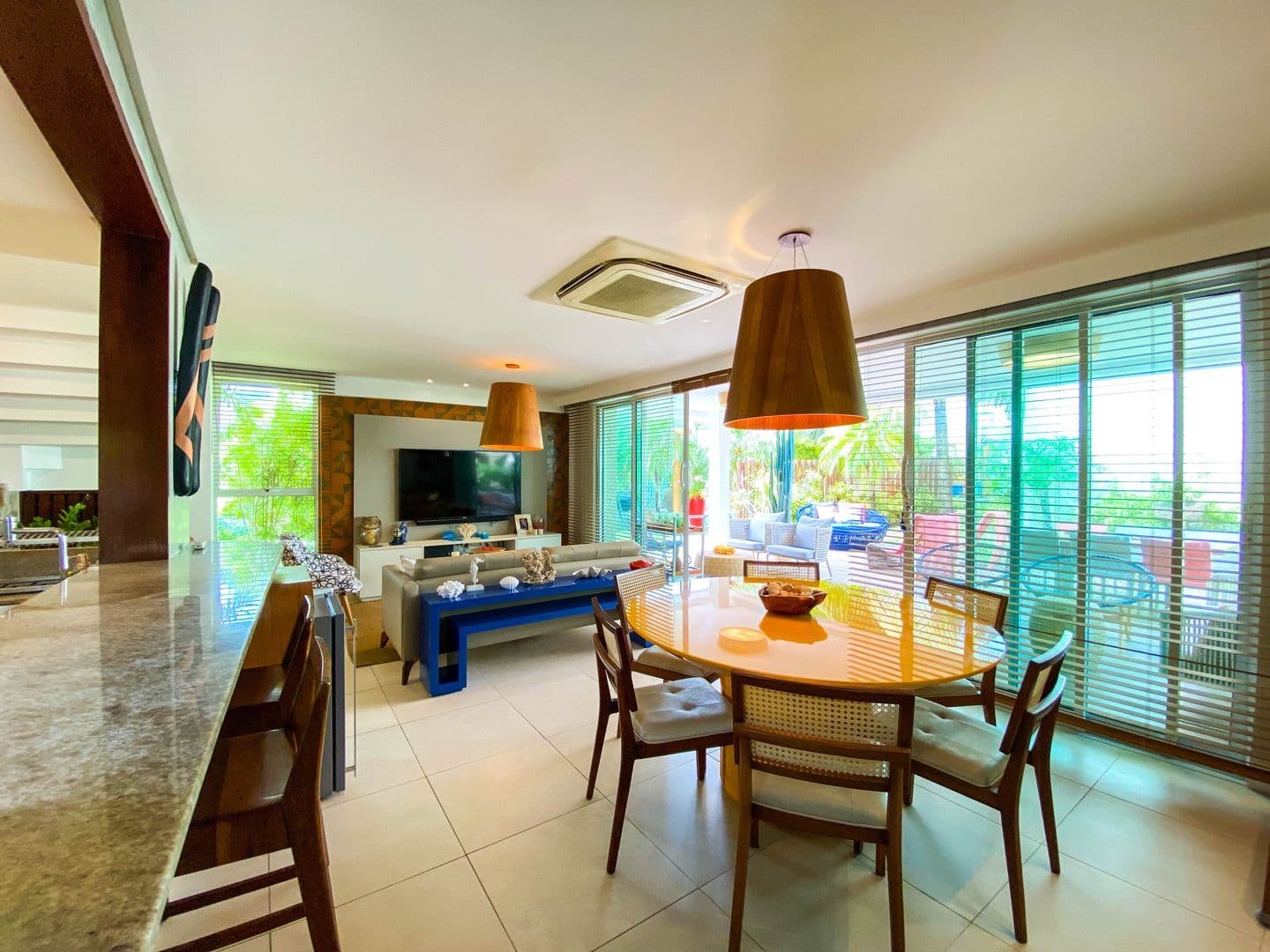
Sale
APE-009
APE-009 - Ipojuca, PE
R$ 4.000.000
5 Bedrooms • 6 Bathrooms • 200 sqft
Gated Community House